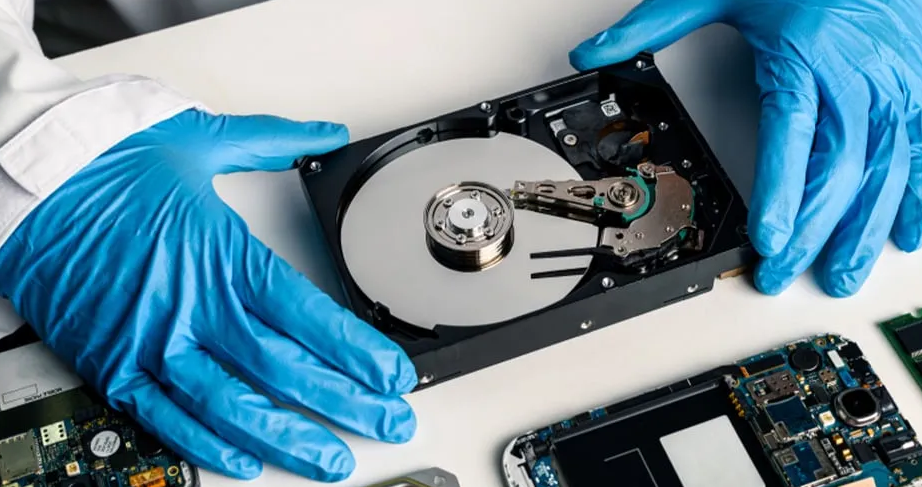
Healthcare organizations rely heavily on digital systems to manage patient records, medical equipment, administrative operations, and communication networks. Hospitals, clinics, laboratories, and healthcare providers frequently upgrade technology infrastructure to improve efficiency and maintain secure operations. As outdated equipment accumulates, healthcare organizations must ensure that retired devices are disposed of securely and responsibly.
Professional healthcare ITAD services help medical organizations manage the secure disposal, recycling, redeployment, and destruction of retired IT equipment. These services support patient data protection, regulatory compliance, and environmentally responsible technology management.
Why Healthcare Organizations Need Specialized ITAD Services
Healthcare providers manage highly sensitive information across digital systems and connected medical technologies. Improper disposal of IT equipment may expose confidential patient data and create significant security risks.
Common Technology Assets Used in Healthcare
Medical organizations commonly manage:
- Servers
- Workstations
- Laptops
- Data storage devices
- Medical imaging systems
- Networking equipment
- Mobile healthcare devices
Many of these systems contain protected health information and confidential operational data.
See also: Flights to India: Complete Guide for Comfortable and Affordable Travel
Risks of Improper Technology Disposal
Improper disposal may lead to:
- Unauthorized data access
- Information breaches
- Compliance violations
- Operational disruptions
- Security vulnerabilities
Healthcare organizations require secure and organized disposal procedures to reduce these risks.
What Are Healthcare ITAD Services?
Healthcare ITAD services focus on the secure management and disposal of retired healthcare technology assets.
These services may include:
- Secure data destruction
- Equipment recycling
- Asset tracking
- Device redeployment
- Secure transportation
- Compliance documentation
Professional ITAD programs help healthcare organizations manage equipment transitions safely and efficiently.
Importance of Secure Data Handling
Healthcare organizations store sensitive patient and operational data across multiple systems.
Organizations searching for reliable healthcare it asset management services often prioritize providers with strong data protection procedures and secure asset handling capabilities.
Secure processes reduce long term operational and security risks.
Benefits of Healthcare ITAD Services
Professional ITAD programs provide several advantages for healthcare providers.
Improved Data Security
Medical organizations must protect confidential patient and business information throughout the technology lifecycle.
Benefits of secure ITAD services may include:
- Reduced breach risks
- Better information protection
- Secure device disposal
- Controlled asset handling
Strong data security supports safer healthcare operations.
Better Compliance Management
Healthcare organizations often operate under strict information security requirements.
Professional ITAD services may support:
- Secure destruction procedures
- Asset documentation
- Disposal reporting
- Chain of custody management
Structured processes help organizations improve compliance oversight.
Responsible Equipment Disposal
Healthcare facilities frequently retire outdated technology equipment during system upgrades.
Professional ITAD programs help organizations:
- Recycle equipment responsibly
- Reduce electronic waste
- Streamline equipment retirement
- Improve operational organization
Responsible disposal supports sustainability initiatives within healthcare systems.
HIPAA Compliant Data Destruction
Protecting patient information is one of the most important priorities in healthcare IT management.
Importance of HIPAA Compliant Disposal
Storage devices may contain:
- Patient records
- Billing information
- Medical history
- Internal healthcare communications
Organizations searching forhipaa compliant hard drive destruction services often require secure destruction procedures that permanently eliminate sensitive information from retired devices.
Secure Destruction Methods
Professional destruction services may include:
- Hard drive shredding
- Digital data wiping
- Device destruction
- Certified disposal procedures
These methods help reduce risks associated with unauthorized data recovery.
Healthcare Data Center Decommissioning
Large healthcare organizations often operate complex IT environments and data storage systems.
Challenges of Healthcare Infrastructure Management
Healthcare facilities may manage:
- Data centers
- Server rooms
- Backup systems
- Network infrastructure
Upgrading or retiring these systems requires careful planning and secure equipment handling.
Data Center Disposal Support
Organizations searching for healthcare data center decommissioning solutions often prioritize providers that offer secure logistics, equipment tracking, and structured disposal procedures.
Professional decommissioning services help reduce operational disruptions and improve security management.
Secure IT Recycling for Healthcare Organizations
Technology recycling is an important part of healthcare IT asset management.
Benefits of Responsible Recycling
Responsible recycling may help healthcare organizations:
- Reduce environmental impact
- Support sustainability goals
- Recover reusable materials
- Improve waste management practices
Structured recycling programs improve operational efficiency and environmental responsibility.
Combining Recycling With Security
Healthcare organizations must ensure that recycling programs also protect sensitive information.
Secure recycling services often include:
- Data destruction
- Device tracking
- Controlled handling
- Certified recycling procedures
Integrated recycling and security solutions improve overall protection.
Common Mistakes Healthcare Organizations Should Avoid
Weak disposal procedures may expose healthcare providers to operational and security challenges.
Storing Retired Equipment Too Long
Unused devices may still contain sensitive patient information years after retirement.
Timely processing helps:
- Reduce security risks
- Improve inventory management
- Simplify asset tracking
Using Unverified Disposal Providers
Improper disposal practices may increase compliance and security risks.
Healthcare organizations should prioritize:
- Certified ITAD providers
- Secure destruction procedures
- Professional transportation
- Reliable documentation
Experienced providers improve accountability and operational security.
Ignoring Inventory Tracking
Without accurate asset tracking, organizations may lose visibility into retired equipment.
Tracking systems help:
- Improve accountability
- Verify disposal activities
- Support internal audits
Proper tracking strengthens operational oversight.
Why Healthcare ITAD Services Continue Growing
Healthcare organizations continue expanding their reliance on digital systems and connected technologies.
Healthcare ITAD services continue growing because they support:
- Secure patient data protection
- Responsible technology disposal
- Better compliance management
- Sustainable IT operations
- Organized equipment lifecycle management
Organizations searching for healthcare ITAD services often prioritize providers with expertise in secure healthcare technology disposal and compliance focused asset management.
Conclusion
Healthcare ITAD services provide medical organizations with a secure and organized solution for managing retired technology equipment and protecting sensitive patient information. As healthcare systems continue upgrading digital infrastructure, proper IT asset disposal helps reduce security risks, improve compliance management, and support responsible technology practices.
Professional data destruction, secure equipment recycling, healthcare data center decommissioning, and structured asset tracking all contribute to safer healthcare IT management. By investing in reliable healthcare ITAD services, medical organizations can improve operational security, support sustainability goals, and maintain stronger long term technology management practices.