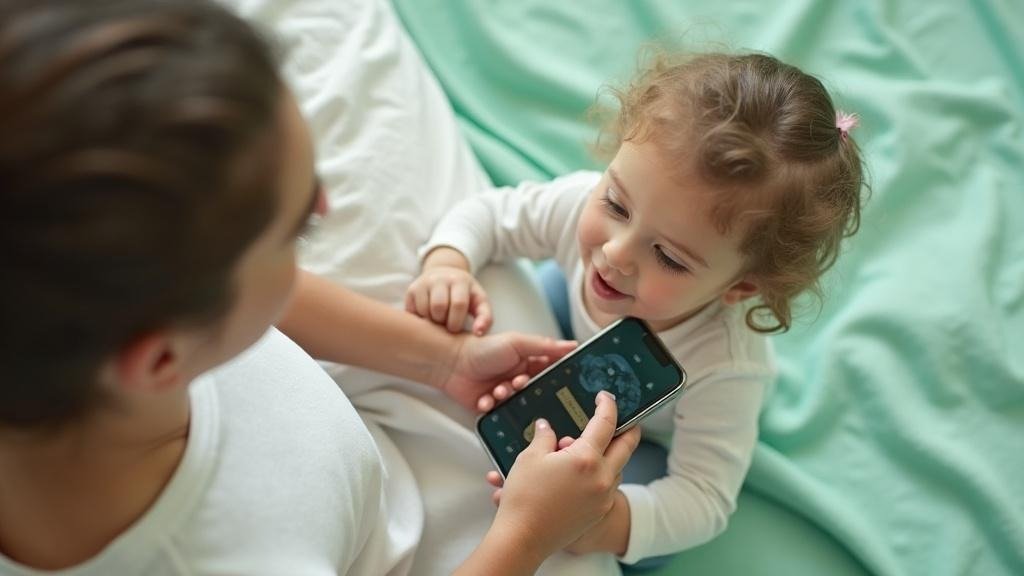
Something shifted in early speech apps over the past year or two. The old model was basically digital flashcards: a picture appears, a word plays, a child taps. Fine. Useful, even. But a new generation of tools is moving toward actual back-and-forth practice, where the child speaks and something listens. That change matters enormously for kids who need more than passive exposure. Here is what I found after spending real time with the strongest options in this space.
1. Speech Blubs
Voice control is the whole point here. Speech Blubs runs on over 1,500 activities where children actually speak into the microphone, and the app responds. It was built with apraxia, autism, ADHD, and speech delay in mind, not as an afterthought. Parents can filter by sound target, track session history, and see where a child is struggling.
Pricing is honest: about $14.49 per month, $59.99 per year, or $99.99 for lifetime access. The lifetime option is genuinely good value if your child will use it for more than a few months. The activity library is large enough that kids rarely hit a wall. My one caveat: some younger toddlers find the interface busy and need a parent nearby for the first several sessions.
See also: Healthcare ITAD Services: Secure Technology Disposal for Medical Organizations
2. Articulation Station (Little Bee Speech)
Created and developed by certified speech-language pathologists, with that clinical background shaping every feature. The app targets over 1,200 words organized by phoneme, so a parent or SLP can zero in on exactly the sounds a child is working on: initial S, final R, medial L, whatever the IEP says.
The full Pro version is available for around $59.99 as a single, permanent payment. No subscription. For families doing structured articulation work alongside real therapy, this is the most clinically organized tool I have seen in the consumer app space. It is drill-based by design, which is a feature if your child’s therapist already has a plan and needs home-practice support. It is not the right pick if your child shuts down the moment something feels like school.
3. Otsimo Speech Therapy
Otsimo leans hard into AI feedback and was designed from the ground up for kids who are non-verbal, have Down syndrome, apraxia, or autism. Over 200 exercises cover a range from early vocalizations to full word production. The adaptive engine adjusts difficulty in real time based on how a child responds, which cuts down on the frustration of tasks that are too hard or too boring.
Pricing is accessible: around $6.99 per month, $4.49 per month on an annual plan, or $115.99 for lifetime access. For families with tighter budgets or kids who need a gentler on-ramp before committing to pricier tools, Otsimo is worth a serious look. The interface is clean and low-clutter, which helps kids with sensory sensitivities stay in the app longer.
4. Tactus Therapy Apps
Tactus is different from the others on this list. It is a suite of separate clinical apps, each focused on a specific skill area, priced individually from about $9.99 to $99.99. SLPs use these in actual clinic sessions. Parents can buy individual apps and use them at home, but the learning curve is steeper than consumer-first products.
If an SLP has specifically recommended a Tactus app for your child, it is worth the investment. As a starting point for a parent shopping independently, it is less intuitive than the other picks here. Strength: the clinical depth is real, not cosmetic.
5. Expressable (Teletherapy with a Licensed SLP)
This is not a downloadable program or a self-paced course you work through on your own schedule. But I would be doing readers a disservice if I built a list of six options and left out the one thing that actually has the most evidence behind it: a real, licensed speech-language pathologist.
Expressable connects families with SLPs via video sessions and has a strong track record with early talkers and toddlers. Prices vary by plan and insurance situation. ASHA’s public guidance is consistent: apps support practice, but they do not replace professional assessment and treatment. If a child is significantly delayed or has been diagnosed with apraxia, starting here rather than with an app is the honest recommendation.
6. Free Resources (ASHA, Library Apps, YouTube SLP Channels)
Under-rated. Genuinely. The American Speech-Language-Hearing Association publishes free parent guides on early language milestones. Many public libraries offer free access to early-literacy apps through platforms like Libby or SimplyE. Several licensed SLPs run YouTube channels with real, structured activities for toddlers.
None of this replaces a good paid tool or a real therapist. But for families in a waiting period, on a tight budget, or just getting started, these free resources are substantive and built on real clinical knowledge.
Where Little Words Fits In
One app worth knowing about if your child resists screen-based drills: Little Words pairs children with an AI companion named Buddy who talks and listens in actual back-and-forth conversation. The voice-first setup means no reading, no menus, no tapping. Kids who melt down around text-heavy interfaces sometimes stay engaged here when nothing else has worked.
Quick Comparison
| App / Option | Best For | Price Range | Voice Practice | SLP-Designed |
| Speech Blubs | General delay, ADHD, autism | $14.49/mo or $99.99 lifetime | Yes | Informed by SLPs |
| Articulation Station | Structured sound drills | $59.99 one-time | Partial | Yes, built by SLPs |
| Otsimo | Non-verbal, autism, Down syndrome | From $4.49/mo | Yes (AI feedback) | Yes |
| Tactus Therapy | Clinical home practice | $9.99-$99.99 per app | Varies by app | Yes |
| Expressable / SLP | Diagnosed delay, apraxia | Varies | Yes (real sessions) | Licensed SLP |
| Free ASHA/Library | Budget, early awareness | Free | No | ASHA-backed |
FAQ
Do any of these apps actually work for speech delay?
Practice apps can support progress when used consistently alongside real therapy. Articulation Station and Otsimo both have strong clinical grounding. None of them diagnose or treat a speech disorder on their own.
What age are first-words apps appropriate for?
Most of the options above target ages 2 through 8, with some variation. Otsimo and Little Words both explicitly support toddlers as young as 2. For children under 18 months, direct parent-child interaction and reading aloud still outperform any screen tool.
Is a subscription worth it over a one-time purchase?
Depends on how long you plan to use it. Speech Blubs and Otsimo offer lifetime options that pay off after about 7 to 8 months of monthly billing. Articulation Station’s one-time fee is straightforward and appeals to families who dislike recurring charges.
Can I use an app instead of hiring an SLP?
Honestly, no, not if your child has a significant or diagnosed delay. Apps are practice tools, not evaluators. An SLP can identify the specific sounds or patterns a child is struggling with and build a targeted plan. Apps work best as the daily homework between sessions.
Which option is best for a child who refuses to engage with screen-based activities?
Voice-first apps that feel more like play than work tend to hold attention better for reluctant kids. Beyond apps, some children respond better to parent-led games built around ASHA’s free activity guides than to any digital tool at all.
Sources
- American Speech-Language-Hearing Association (ASHA) public guidance on early language development: asha.org
- Speech Blubs official pricing and feature descriptions: speechblubs.com
- Little Bee Speech / Articulation Station product page: littlebeespeech.com
- Otsimo official pricing and feature descriptions: otsimo.com
- Tactus Therapy app catalog and pricing: tactustherapy.com
- Expressable teletherapy service overview: expressable.com